Hillingdon council rules for cemetery flowers in Yeading
Posted on 10/10/2026
Hillingdon Council Rules for Cemetery Flowers in Yeading: A Practical Local Guide
If you are trying to understand the Hillingdon council rules for cemetery flowers in Yeading, you are probably dealing with a very ordinary but surprisingly delicate question: what can you place on a grave, when can you leave it, and how do you stay respectful without accidentally causing a problem? It sounds simple. Then you get to the cemetery gate, look around, and realise rules can vary by site, memorial section, and season. Truth be told, that catches a lot of people off guard.
This guide explains the likely expectations around cemetery flowers in Yeading, why the rules matter, and how to choose tributes that are respectful, practical, and less likely to be moved or removed. It also covers common mistakes, a simple step-by-step approach, and a few useful examples from everyday situations. If you want a calmer visit and a tribute that looks cared for rather than awkwardly out of place, you are in the right place.
To make things easier, we will keep this plain-English and useful. No jargon. No fluff. Just the kind of guidance that helps when you are standing there with flowers in hand, thinking, "Right, what now?"
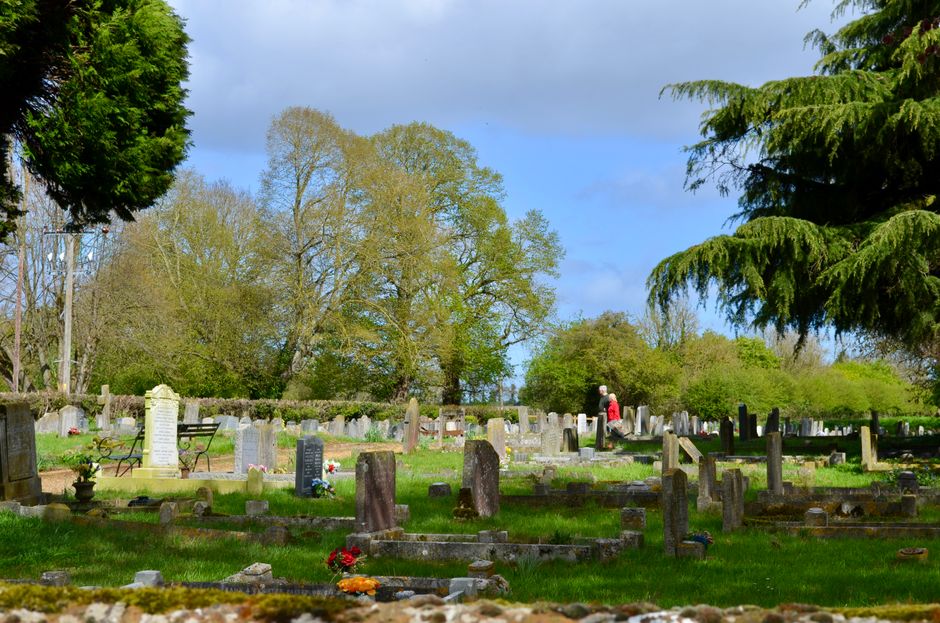
Why Hillingdon council rules for cemetery flowers in Yeading Matters
Cemetery flower rules matter because they protect shared spaces. A grave plot is personal, of course, but the wider cemetery has to work for everyone: families visiting at different times, staff maintaining grass and pathways, and visitors who may be there in wet weather, winter light, or on a quiet Sunday morning when the place feels almost still enough to hear the birds.
In Yeading, where local cemeteries may be visited by many families over time, small decisions about floral tributes can have a big practical impact. A bouquet that seems harmless to one person might obstruct maintenance equipment, fade quickly in warm weather, or become untidy after wind and rain. That is often why councils set rules about containers, memorial items, and what can be left on or around graves.
There is also a fairness point. If one plot is allowed to overflow with pots, toys, lanterns, and multiple arrangements, the nearby plots may become harder to maintain and less consistent in appearance. Rules help keep the cemetery dignified and safe, not cold. That distinction matters.
In short: cemetery flower rules are there to balance remembrance with care, access, and long-term upkeep. Not glamorous, but very necessary.
And if you are visiting after a family occasion or an anniversary, you usually want the visit to feel peaceful, not uncertain. A clear understanding of local expectations removes that little knot of worry in the stomach.
How Hillingdon council rules for cemetery flowers in Yeading Works
Although the exact arrangements can differ by cemetery section, the basic approach is usually straightforward: flowers should be placed in a way that is tidy, safe, and considerate of maintenance. That usually means using containers that do not tip over easily, avoiding loose items that can be blown about, and not placing anything that could damage turf, headstones, or access routes.
The council or cemetery operator may also set expectations around:
- Flowers on graves: generally acceptable if kept neat and not excessive.
- Containers and vases: often preferred over loose wrapping or temporary packaging.
- Artificial flowers: sometimes permitted, sometimes restricted, especially if they become faded or weathered.
- Memorial items: ornaments, solar lights, balloons, and similar items may be limited.
- Seasonal tidy-ups: items may be removed if they are unsafe, neglected, or outside cemetery guidance.
In practice, this means you should think less about "Can I leave flowers?" and more about "Can I leave them in a way that will still look respectful next week?" That's the useful question.
If you are arranging flowers for a burial plot, cremation plot, or an older family grave, it also helps to consider the size of the space. A compact tribute often works better than a large display. A little restraint goes a long way in a cemetery setting.
For flowers that are being delivered to Yeading for a funeral or memorial occasion, local florists may already understand the kinds of arrangements that are more likely to suit cemetery rules. A carefully chosen tribute from a local florist in Yeading can save time and reduce the risk of bringing something unsuitable.
Key Benefits and Practical Advantages
Following the rules is not just about avoiding trouble. It makes the whole experience easier, calmer, and more dignified. That sounds obvious, but in real life it really does make a difference.
- Less stress on the day: you will know what to bring and where to place it.
- Better visual presentation: the grave looks cared for, not cluttered.
- Reduced risk of removal: items that fit the rules are less likely to be cleared away.
- Less waste: you avoid buying large or short-lived arrangements that need replacing too soon.
- Respect for other families: tidy spaces help everyone visit in peace.
- Practical maintenance: cemetery staff can do their work safely and efficiently.
There is another benefit that people often miss: consistency. If you choose flowers with local rules in mind, you can repeat the same approach for birthdays, anniversaries, memorial days, or seasonal visits without starting from scratch each time. That is a small thing, but useful.
If you are not sure which flowers travel well or last longest, options such as flower care guidance can help you make better choices before you visit. Fresh blooms are lovely, but they need a bit of planning if they are going to look right on a grave several days later.
Who This Is For and When It Makes Sense
This topic is relevant to quite a few people, not just one type of visitor. You may need this guidance if you are:
- visiting a family grave in Yeading for the first time
- placing flowers after a funeral or burial
- maintaining a memorial regularly
- arranging a tribute for Mother's Day, Christmas, a birthday, or an anniversary
- trying to choose between fresh and artificial flowers
- ordering flowers for delivery and want them suitable for cemetery use
It also matters if you are arranging flowers on behalf of an older relative who cannot easily visit themselves. You may be trying to get everything right without a lot of information to hand. Completely fair. Many families end up doing this with only a memory of what was placed there last year, and perhaps a few old photos on a phone.
The rules make the most sense whenever flowers will remain on the grave after you leave. If you are taking them away again after a short visit, the decision is simpler. But if you want the tribute to stay put, stay neat, and still look appropriate later, you need to think a bit more carefully about material, size, and placement.
For families wanting a respectful funeral or remembrance arrangement, the range of funeral flowers and sympathy flowers can be a good starting point, especially if the tribute needs to feel appropriate for a cemetery environment rather than a home or event setting.
Step-by-Step Guidance
If you want to keep things simple, follow this approach. It works for most people, most of the time.
- Check the cemetery-specific guidance first. Rules can vary by site, burial section, and memorial area. A general assumption is not enough.
- Decide whether the tribute is temporary or ongoing. A one-day visit, a funeral placement, and a long-term memorial tribute are not the same thing.
- Choose a suitable format. A compact bouquet, basket, posy, spray, or grave-side container often works better than a loose hand-tied bunch.
- Keep size and weight sensible. Large, heavy, or unstable arrangements can be awkward and may not stay in place.
- Use weather-conscious flowers. In an exposed cemetery plot, warm sun, rain, or cold wind can shorten the life of delicate blooms quickly.
- Remove packaging. Cellophane, tags, and temporary wrapping look untidy and can blow away. Small thing, big difference.
- Place flowers neatly and safely. Avoid blocking inscriptions, pathways, or adjacent graves.
- Revisit and refresh if needed. If flowers fade, remove them rather than letting them decay on the grave.
That is the practical version. And honestly, it is usually enough. Not every visit needs a grand gesture. Often, a well-chosen small arrangement says more than a crowded display ever could.
If you are arranging delivery rather than carrying flowers yourself, ask for a design that is stable and cemetery-appropriate. A local delivery option such as delivery information can help you time the arrival so the flowers are fresh when they are placed.
Expert Tips for Better Results
Once you understand the basics, a few practical habits can make a tribute look better for longer. These are the sort of details that experienced florists and regular cemetery visitors tend to notice straight away.
Choose flowers that age gracefully
Some flowers droop quickly in heat or need constant water to stay presentable. Others, like carnations, chrysanthemums, alstroemeria, and certain roses, often hold their shape better in memorial settings. That does not mean they are the only good choices, just that they are often more forgiving. If you are aiming for a tribute that still looks decent two or three days later, durability matters.
Keep the colour story simple
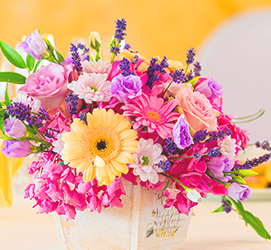
Soft white, purple, pink, and mixed pastel arrangements are common for memorial visits because they feel calm and respectful. Bright colour is not wrong. Not at all. But loud combinations can feel out of step in a cemetery unless they reflect a clear family preference or cultural tradition.
Think about water and stability
If the arrangement is going to remain in place, it needs a stable base. Baskets, low vases, and floral foam arrangements often stay neater than loose hand-tied bouquets. On breezy days, even the best bouquet can start leaning slightly, which is the kind of thing that makes you wish you had chosen a heavier container.
Match the tribute to the occasion
A first-anniversary tribute may call for something fuller and more personal. A routine monthly visit may need something smaller and easier to maintain. There is no single correct answer, but there is usually a more sensible one.
If you want to browse by occasion, the Yeading range of tributes and letter tributes can help when you need a more personal memorial design. For a gentler, more traditional feel, wreaths and sprays are usually easier to place neatly at a grave side.
Expert summary: The best cemetery flowers are usually the ones that look calm, stay put, and remain dignified after the first bit of weather. Simple often wins. Every time.
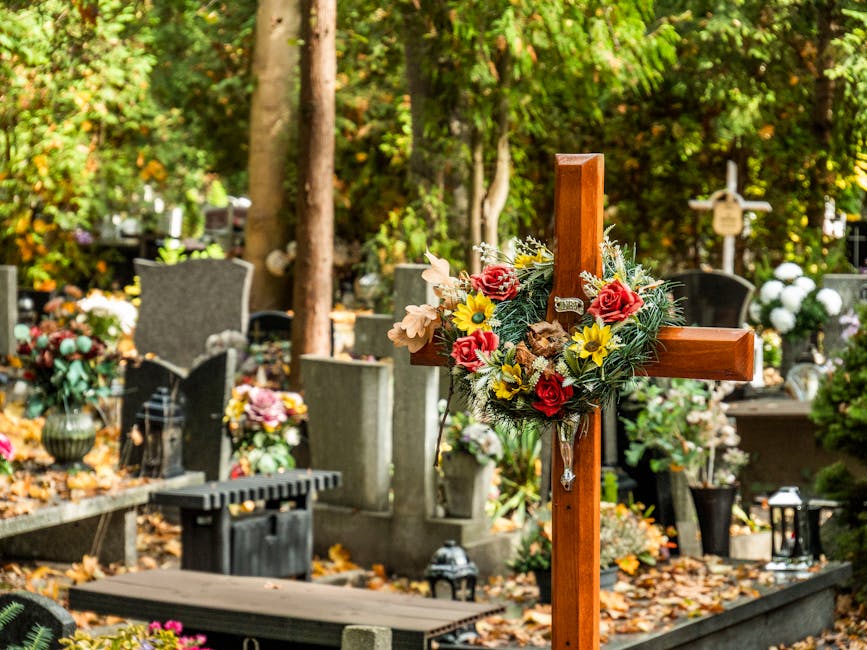
Common Mistakes to Avoid
Most problems are avoidable once you know what to watch for. The tricky part is that the mistake often looks fine at the time and only becomes obvious later.
- Bringing oversized arrangements: they may block adjoining spaces or look out of proportion.
- Leaving loose packaging behind: wrappers and ribbons can look untidy and blow around.
- Using unstable containers: anything that tips in the wind will become a nuisance.
- Choosing very short-lived flowers: some arrangements fade quickly and can start looking neglected.
- Assuming every cemetery has the same rules: this is where people get caught out.
- Adding too many extras: toys, lights, balloons, and ornaments may not be suitable.
- Forgetting to remove old flowers: faded blooms can make a grave look uncared for, even if the family visits often.
One of the most common issues, frankly, is overthinking it. People worry so much about getting every detail perfect that they end up with something too elaborate for the site. You do not need to win a floral design competition. You just need something respectful and appropriate.
Another small but real mistake is not checking whether the flowers need to be placed in water or in a fixed container. A bouquet that looks lovely at home may not survive even one windy afternoon on open ground.
Tools, Resources and Recommendations
You do not need much to get this right, but a few simple tools can make the process easier:
- Floral scissors or secateurs: useful for trimming stems cleanly before placement.
- A sturdy vase or tribute container: helps keep the arrangement upright.
- Water source: a small top-up can extend the life of fresh flowers before or after placement.
- Soft cloth or tissue: handy for wiping stems, hands, or the memorial stone if needed.
- Notebook or phone note: useful for keeping track of what you placed, where, and when.
In addition, it helps to use local ordering and delivery options that are familiar with cemetery-appropriate tribute styles. If you are not sure what to send, a browse through sympathy flowers, flower shops in Yeading, or even best flower delivery in Yeading can point you toward arrangements that fit the occasion without overcomplicating things.
For people who want something modest and value-conscious, cheap flowers in Yeading or the budget range may be enough, provided the tribute still looks neat and tasteful. Affordable does not have to mean careless. Not even close.
Law, Compliance, Standards, or Best Practice
It is sensible to treat cemetery flower rules as a matter of local site compliance and best practice rather than trying to guess a one-size-fits-all answer. In the UK, cemeteries commonly have their own operational rules covering memorial items, maintenance access, public safety, and the dignity of the site. Those rules can be linked to burial authority policies, cemetery regulations, or local management decisions.
Because of that, the safest approach is to follow the cemetery's own guidance for the specific plot or section you are visiting. If you are unsure, ask before leaving the flowers in place. That is not overcautious. It is sensible.
Typical compliance considerations may include:
- keeping pathways and neighbouring plots clear
- avoiding items that could break, spill, or obstruct maintenance
- removing wilted or damaged flowers in a timely way
- using memorial items that are permitted for that burial ground
- respecting faith-based or section-specific traditions where relevant
There can also be practical standards around tidiness and safety. For example, a fragile glass vase may be more likely to break than a simple memorial container, while a tall arrangement may be more vulnerable in strong wind. Best practice is not about being fussy. It is about reducing avoidable problems.
If you are arranging a tribute for a funeral or memorial service, a more formal design such as funeral flowers, sprays, or a tasteful sympathy arrangement is often more in line with cemetery expectations than a casual mixed display. It tends to feel more settled, more considerate.
Options, Methods, or Comparison Table
Choosing the right tribute is easier when you compare the common options side by side. Here is a straightforward view of what tends to work best in a cemetery setting.
| Option | Best for | Advantages | Watch out for |
|---|---|---|---|
| Fresh bouquet | Short visits, immediate placement | Natural, fragrant, meaningful | Can wilt quickly without water or shelter |
| Basket or posy | Grave-side tributes, tidy presentation | Compact, stable, easy to place | May need refreshing after a few days |
| Spray | Funerals and memorial services | Formal, elegant, well-structured | Can be too large for some smaller plots |
| Wreath | General memorial use, seasonal remembrance | Traditional, balanced, respectful | Needs checking for site rules if left long term |
| Artificial flowers | Longer-lasting display | Weather-resistant and low-maintenance | Can look faded or worn if not replaced regularly |
For many Yeading families, the best choice is a compact fresh or mixed arrangement that balances appearance with practicality. If you want a tribute that is more robust, options in the florist choice or all flowers ranges can help you find something suitable without needing to design it from scratch.
There is no universal winner here. A small basket may be perfect for one plot, while a formal spray is better for another. Context matters. Quite a lot, actually.
Case Study or Real-World Example
Here is a typical scenario. A family in Yeading wants to place flowers on a relative's grave before a Sunday visit. They have two goals: the flowers must look lovely on arrival, and they need to stay tidy for several days because not everyone can visit often.
At first, they consider a large hand-tied bouquet with lots of wrapping because it looks impressive in the shop. Then they realise that, in the cemetery, the bouquet may lean, hold water poorly, and not sit well against the memorial stone. So they switch to a lower arrangement in a stable container with white and purple flowers. The result is simpler, yes, but much more appropriate.
That small change matters. The grave looks cared for. The flowers last longer. No loose wrapper flaps about in the breeze. And the family feels comfortable leaving them there.
We have seen that kind of decision many times: people start with the most eye-catching design and end with the most fitting one. Usually the second choice is better. It just is.
For a memorial visit like this, a graceful option such as peaceful wreath, remembrance basket, or eternal memory posy can feel more balanced than something oversized or overly decorative.
Practical Checklist
Use this quick checklist before you leave for the cemetery:
- Have I checked the specific cemetery or plot guidance?
- Is the arrangement suitable for a memorial setting?
- Will it sit safely and neatly without falling over?
- Have I removed excess packaging and tags?
- Is the size respectful for the space available?
- Have I chosen flowers that can handle the weather today?
- Do I need water, scissors, or a container?
- Will the tribute still look decent if I cannot return for a few days?
- Have I avoided items that may be restricted, like balloons or fragile ornaments?
- Do I know whether I should take the flowers away later if they fade?
If you can tick most of those off, you are in good shape. No need to overcomplicate it.
And if you are ordering in advance, take a minute to confirm delivery timing, especially for a morning visit or a significant date. Early arrivals are usually less stressful. The flowers sit better, and so do people.
Conclusion
Understanding the Hillingdon council rules for cemetery flowers in Yeading is really about one thing: keeping remembrance thoughtful, tidy, and respectful. Once you know the broad expectations, the rest becomes much easier. You can choose flowers that suit the site, fit the occasion, and stay looking good without creating extra work for cemetery staff or worry for your own family.
The best tributes are usually the simplest ones. A neat basket, a calm colour palette, a stable container, and a bit of common sense often say more than a big, complicated display ever could. If you are visiting Yeading to remember someone you love, that quiet act of care matters. It always has.
Get a free quote today and see how much you can save.
Whether you are planning ahead or just trying to do the right thing for a visit this week, a well-chosen floral tribute can bring a bit of comfort at the right moment. And sometimes, that small gesture is enough.
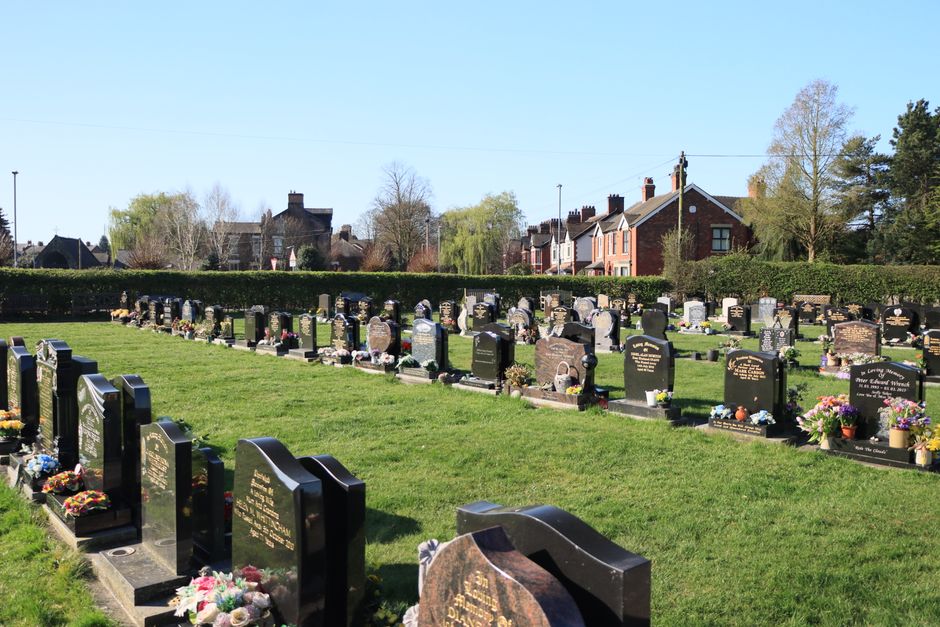
Frequently Asked Questions
Can I leave fresh flowers on a grave in Yeading?
In many cemetery settings, fresh flowers are allowed as long as they are placed neatly and in line with the site's rules. The important thing is usually the format, size, and whether the flowers create maintenance or safety issues. If you are unsure, check the specific cemetery guidance first.
Are artificial flowers allowed in Hillingdon cemeteries?
Artificial flowers may be permitted in some areas and restricted in others, especially if they become faded or untidy. The practical rule is to use them only where they are clearly acceptable and to replace them when they start looking worn.
What flowers are best for cemetery use?
Flowers that hold up well in outdoor conditions are usually the safest choice. Carnations, chrysanthemums, alstroemeria, and some roses are often preferred because they last reasonably well and keep their shape. A compact arrangement is often better than a large, delicate bouquet.
Can I place a large arrangement on a grave?
You can, but it may not be the best idea. Large arrangements can block other plots, tip in the wind, or look out of proportion. In most cases, a smaller, stable tribute is more practical and more respectful to the site.
Do I need to remove old flowers?
Yes, ideally. Once flowers fade or become messy, they should be removed so the grave stays tidy. Leaving old stems in place for too long can make the plot look neglected even when that is not the case.
Can I use a vase or container at the grave side?
Usually yes, as long as the container is suitable and does not create a hazard. A stable, low, and durable vase or tribute container is generally a better choice than fragile glass or something that tips easily.
What should I avoid bringing to a cemetery?
Items like balloons, loose plastic wrapping, fragile decorations, and anything that could blow away or break are often poor choices. Some cemeteries also limit ornaments, lights, or personal items, so it is worth checking before you go.
How long should cemetery flowers last?
That depends on the flower type, weather, and container. Fresh arrangements may look good for several days, sometimes longer if conditions are mild. In hot, cold, or windy weather, they may need attention much sooner.
Can I order cemetery flowers for delivery in Yeading?
Yes, and that is often a sensible option if you cannot visit in person. A local florist can usually provide a tribute that is already sized and styled for a memorial setting, which saves a lot of guesswork.
What is the most respectful flower arrangement for a grave?
The most respectful arrangement is usually the one that feels calm, neat, and appropriate to the person and occasion. That might be a simple bouquet, a posy, a wreath, or a sympathy arrangement. There is no single correct style, only the one that fits the setting well.
Should I choose fresh or artificial flowers for a memorial?
Fresh flowers feel natural and personal, while artificial flowers can last longer and reduce maintenance. If you want a softer, more traditional tribute, fresh is often preferred. If you cannot visit often, artificial may be more practical, provided the cemetery allows it.
How do I know if my flowers are suitable for Yeading cemetery rules?
Look at the arrangement as if you were the person maintaining the cemetery. Is it tidy, stable, and easy to manage? If yes, it is probably closer to suitable. If it is oversized, loose, or heavily decorated, it may need simplifying.