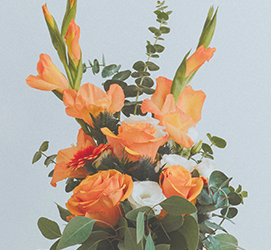
Yeading Brook wedding flowers case study before and after
Posted on 24/09/2026
Yeading Brook Wedding Flowers Case Study Before and After: A Practical, Real-World Guide
If you are researching a Yeading Brook wedding flowers case study before and after, you are probably doing two things at once: looking for inspiration and trying to work out what actually changes the feel of a venue. Fair enough. Wedding flowers can look beautiful in a single bouquet photo, but the real magic is in the transformation. The aisle, the top table, the buttonholes, the bridal bouquet, the softening of a room that felt a bit plain five minutes earlier. This guide breaks that down clearly, so you can understand what a before-and-after flower transformation should do, how it is planned, and what to watch out for.
We will look at the practical side too: how wedding floristry is usually structured, which flower choices suit different moods, where budgets tend to go, and how to avoid the classic mistakes that make weddings feel overdone, underfilled, or slightly disconnected. Let's face it, nobody wants the flowers to look like they arrived from three different weddings and never met each other.
Table of Contents
- Why Yeading Brook wedding flowers case study before and after Matters
- How Yeading Brook wedding flowers case study before and after Works
- Key Benefits and Practical Advantages
- Who This Is For and When It Makes Sense
- Step-by-Step Guidance
- Expert Tips for Better Results
- Common Mistakes to Avoid
- Tools, Resources and Recommendations
- Law, Compliance, Standards, or Best Practice
- Options, Methods, or Comparison Table
- Case Study or Real-World Example
- Practical Checklist
- Conclusion
- Frequently Asked Questions
Why Yeading Brook wedding flowers case study before and after Matters
A before-and-after wedding flowers case study is useful because it shows the difference flowers make in a real setting, not just in a styled close-up. That matters a lot in Yeading Brook and the wider UB4 area, where weddings can range from intimate local celebrations to larger venue receptions that need more structure, more movement, and more visual balance.
The "before" view is usually a room, ceremony space, or reception setup that feels functional but flat. The "after" should not simply mean "more flowers everywhere." It should mean the space now has purpose. A ceremony arch frames the couple. A bridal bouquet ties the colour story together. Table arrangements create rhythm across the room. The whole thing feels intentional, which is the bit people remember later, even if they cannot name the flowers.
In practical terms, this kind of case study helps with three things:
- Expectation-setting - you can see what floral density, scale, and finish look like in a real wedding context.
- Budget planning - you can separate the "nice to have" elements from the pieces that carry the room.
- Design confidence - you can decide whether you want a romantic, classic, modern, or seasonal look without guessing.
There is also a trust factor. If you are choosing a local florist, you want to know they understand event flow, not just individual stems. A florist who can show a before-and-after story is usually showing more than flowers; they are showing judgment. That is a good sign.
How Yeading Brook wedding flowers case study before and after Works
The process is simpler than it sounds, although there are a few moving parts. A strong wedding flowers transformation usually starts with the plain reality of the venue and ends with a layered floral design that supports the ceremony and reception rather than competing with them.
At its core, the "before" stage is a planning stage. The florist looks at the venue layout, natural light, table shapes, aisle width, ceiling height, and the colour palette already present in the room. Then comes the "after" stage, where the flowers are placed in the right proportions so the space feels balanced.
Here is the rough flow most couples will notice:
- Venue review - what does the room already offer, and what is missing?
- Style decision - are you after soft romantic florals, crisp whites, bold colour, or something seasonal and relaxed?
- Component selection - bridal bouquet, bridesmaid bouquets, buttonholes, table arrangements, and any ceremony focal pieces.
- Scale adjustment - the same flowers can look completely different depending on whether they are used in a hand-tied bouquet or a long tablescape.
- Delivery and setup - timing matters, especially when petals, temperature, and room access all come into play.
If you want a quick local reference point, the main wedding range at wedding flowers in Yeading UB4 is the most direct place to explore the sort of styles commonly used for these transformations. You can also compare broader wedding options through the dedicated wedding collection if you are still narrowing down the look.
One important detail: before-and-after floristry is not only about quantity. A single well-placed arrangement can do more than five small ones scattered awkwardly around a room. To be fair, that is one of the most common surprises people have when they see the final result.
Key Benefits and Practical Advantages
There are plenty of reasons couples use a wedding flower case study as part of their planning, and not all of them are aesthetic. Yes, the photos matter. But the practical gains are just as important.
- Clarity on design direction - you can see whether your preferred style suits the venue, rather than assuming it will.
- Better spend allocation - more budget can go to the pieces guests actually see most, such as ceremony florals and top-table arrangements.
- Reduced stress - fewer last-minute design doubts, which is honestly worth a lot in the final week.
- Stronger photos - good flowers improve the background, the framing, and the sense of occasion.
- Consistency - bouquets, corsages, buttonholes, and table pieces feel like they belong together.
There is also a subtle emotional benefit. Flowers change how a room feels the moment you step in. You can hear the echo soften a little, see the colours come alive, and suddenly the venue feels like an actual wedding rather than a hired room with chairs in it. Small thing? Maybe. But it changes everything.
If you are comparing floral value across gift and event work, it may help to look at luxury flowers for a sense of premium styling, then compare that against more modest but still polished options such as budget-friendly flowers. The lesson is not "spend more." The lesson is "spend where the impact is highest."
Who This Is For and When It Makes Sense
This approach suits couples who want more than a generic wedding package. It is especially useful if you are:
- planning a local wedding in Yeading or nearby West London
- choosing between a simple arrangement plan and a fuller floral design
- unsure how much floral coverage your venue actually needs
- working with a specific colour palette, season, or family preference
- trying to make a modest venue feel more polished without overfilling it
It also makes sense if your wedding day has more than one visual moment. For example, an aisle arrangement that becomes a registrar table display later, or reception flowers that can be repurposed after the ceremony. That sort of practical planning is often overlooked, but it can stretch the value of every stem.
If you are the kind of person who likes to compare styles before making decisions, start with the bridal-led pieces such as bridal bouquets and bridesmaid bouquets, then build outward to the rest of the day. That usually keeps the design coherent. And yes, it keeps the budgeting conversation a bit calmer too.
Step-by-Step Guidance
Here is a straightforward way to plan a wedding flowers transformation without getting lost in the detail.
1. Start with the venue, not the bouquet
It is tempting to start with a favourite flower, but the venue should lead the design. A compact room needs a different treatment from a high-ceiling space or a long banquet layout. Look at where guests sit, where photos will be taken, and where the eye naturally lands when someone enters the room.
2. Choose the main floral story
Ask yourself what you want the room to feel like. Soft and romantic? Clean and elegant? Bright and joyful? Seasonal and relaxed? The answer should guide colour, shape, and quantity. White and blush reads differently from mixed tones or stronger reds and purples.
3. Build the key pieces first
Most weddings benefit from prioritising the items that are seen most often:
- bridal bouquet
- bridesmaid bouquets
- buttonholes
- table or top-table arrangements
- ceremony focal flowers
Once these are in place, the smaller details can be matched to them. That keeps the design tidy and avoids the "everything is lovely, but nothing speaks to each other" problem.
4. Decide what can be reused
Some flowers can move from the ceremony to the reception. This is especially useful for aisle arrangements, entrance pieces, and statement displays. If a florist can plan for reuse, the day often feels fuller without needing twice the number of arrangements.
5. Confirm timing and setup
Wedding flowers are perishable and timing-sensitive. Delivery windows, venue access, and the order of setup matter. If the flowers are installed too early, they may not look at their best. Too late, and the room can feel rushed. Not ideal.
6. Review the final visual balance
Before the wedding, ask whether the flowers are balanced across the room. Are the tables too heavy at one end? Is the ceremony focal point too low to be seen in photos? Are the bouquet colours echoed anywhere else? These are small questions, but they make a big difference.
Expert Tips for Better Results
Here are the things experienced florists pay attention to, even if couples do not always think about them at first.
- Use shape as well as colour. A round bouquet creates a different mood from a looser garden-style bouquet, even in the same palette.
- Match scale to the room. Tiny arrangements disappear in large spaces, while oversized arrangements can crowd smaller ones. Obvious, yes, but easily missed.
- Think in zones. Entrance, ceremony, table, cake, and photo spots each need a different level of emphasis.
- Keep one element consistent. It could be a flower type, a ribbon style, or a palette. One thread is often enough to hold everything together.
- Prioritise freshness over fuss. Well-chosen seasonal flowers often look better than overly complicated designs that fight the room.
Seasonality is especially useful. In a wedding flowers case study, you will often notice that the strongest "after" images use flowers that suit the time of year, the light, and the mood of the day. A summer arrangement will naturally feel different from an autumn palette, and that is fine. Actually, that is the point.
For couples who like a softer, more romantic wedding look, the white and elegant options in white wedding collections can be a very useful starting point. If you want more character, the broader curated ranges such as The Perfect Match wedding collection or Royal Essence wedding collection can help narrow down the mood without losing variety.
Common Mistakes to Avoid
Most wedding flower problems are not dramatic. They are just slightly off. And in floristry, slightly off can be enough to weaken the whole look.
- Choosing flowers before checking the venue. The bouquet may be lovely, but the room still has to work with it.
- Overloading the design. More is not always better. Sometimes it just makes the layout feel busy.
- Ignoring guest sightlines. Tall centrepieces can block conversation. That one comes up a lot, truth be told.
- Mixing too many colour stories. A wedding can have contrast, but it still needs a clear visual language.
- Forgetting practical handling. Some blooms are more delicate in heat or during transport, so the final setup should suit the day's conditions.
- Leaving buttonholes and small accessories too late. Tiny items matter more than people think because they show up in close-up photos and on guests throughout the day.
A simple rule helps here: if every arrangement is shouting, none of them are speaking clearly. You want the flowers to guide the eye, not start a shouting match across the reception.
Tools, Resources and Recommendations
You do not need specialist software to plan wedding flowers well, but a few practical tools make the process much easier.
- A venue floor plan - even a rough sketch helps position arrangements properly.
- Reference photos - save images of bouquet shapes, table styles, and colour palettes you genuinely like.
- A simple colour note - ivory, blush, sage, burgundy, or mixed tones can be enough to brief a florist clearly.
- A final guest list estimate - useful for deciding how many tables and floral points you need.
- A delivery and setup timeline - because wedding mornings are busy, and things always take longer than you think.
If you want to get a feel for the kinds of pieces often used in wedding transformations, look through table arrangements for weddings, wedding buttonholes, and wedding corsages. Those three categories alone can tell you a lot about how the final day may come together.
It is also sensible to review practical service information such as delivery details, guarantees, and flower care guidance if you are planning any arrangements that need to last through a long day. Small details, big difference.
Law, Compliance, Standards, or Best Practice
Wedding floristry is not usually a highly regulated service in the way some trades are, but best practice still matters. In the UK, couples and florists generally need to think about sensible business terms, safe delivery, honest product descriptions, and clear communication around substitutions if a specific bloom is unavailable.
For weddings in venues, there may also be practical rules set by the venue itself. These can include access times, restrictions on open flames, restrictions on attaching items to walls or furniture, and specific rules around setup or dismantling. Those are venue-specific rather than universal, so it is wise to check early.
From a customer perspective, a trustworthy florist should be clear about:
- what is included in each arrangement or package
- whether flowers may be substituted with similar stems if needed
- when payment is due
- how delivery is handled
- what happens if there is a problem on the day
If you are comparing policies or order conditions, pages such as terms and conditions, returns and refund information, and privacy policy are worth reviewing. That is not glamorous reading, obviously, but it does help set expectations. And weddings have enough surprises already.
For a wider sense of the business and ethical side, you may also want to look at about us, sustainability, and accessibility information. Good wedding planning is not just about appearance; it is about reliability and care.
Options, Methods, or Comparison Table
If you are deciding how detailed your wedding flowers should be, it helps to compare the main approaches side by side. Not every wedding needs the same floral density, and not every couple wants the same level of styling.
| Approach | Best for | Visual effect | Practical note |
|---|---|---|---|
| Minimal bouquet-led styling | Smaller weddings, tighter budgets, simple venue spaces | Elegant but restrained | Works well when the venue already has good character |
| Balanced full-day styling | Most weddings | Clear, polished, cohesive | Usually includes bouquet, buttonholes, table flowers, and a ceremony focal point |
| Statement floral transformation | Larger venues or couples wanting strong visual impact | High impact and photo-friendly | Needs more planning, setup time, and budget discipline |
The right choice depends on the venue and the moment you want to create. If the room is already attractive, a lighter touch can be enough. If the space is plain or visually uneven, a more structured floral plan makes sense. There is no prize for using the most flowers. The real prize is the room looking exactly right.
Case Study or Real-World Example
Let's use a practical, non-fictional example of the kind of transformation people often want from a Yeading Brook wedding flower plan.
Before: the ceremony area is set with standard chairs, a plain table, and neutral walls. The room works, but it does not yet feel like a wedding. Guests arrive, take their seats, and the atmosphere is polite but not especially warm. The space is tidy, not memorable.
After: the entrance now has a floral cue that signals the day has begun. The couple's bouquet and buttonholes carry a soft coordinated palette. Table arrangements echo the same colours without overwhelming the room. A focal piece behind the ceremony point gives the photographs a natural anchor. The room still looks like itself, only now it feels intentional, romantic, and ready to hold the day.
That is the real power of a before-and-after flower case study. It is not simply decoration. It is atmosphere design. A good florist helps the couple avoid visual clutter and instead create flow. You notice it as soon as you step in, even if you cannot quite explain why it feels better. That little pause. That soft intake of breath. There it is.
For couples wanting a wedding look that blends classic romance with a clean finish, a bouquet-led choice such as a bridal bouquet from the I Cherish You range or a coordinating option like a bridesmaid bouquet can be a strong starting point. If you want a broader cohesive style, collections like Everlasting Love wedding collection are designed to work across multiple wedding elements without feeling piecemeal.
Practical Checklist
Use this checklist to keep your wedding flower planning grounded and stress-free.
- Have you confirmed the venue layout and access times?
- Do you know the main colour palette for the day?
- Have you chosen the key pieces first: bouquet, bridesmaid bouquets, buttonholes, and table flowers?
- Are your arrangements suitable for the season and the room temperature?
- Have you asked which flowers can be reused later in the day?
- Do the flowers complement the dress, suits, and venue style?
- Have you reviewed the florist's delivery and setup expectations?
- Are you clear on any substitutions or practical limits?
- Have you thought about how the flowers will look in photos from a distance, not just close up?
- Do you have a contact plan for the day itself, just in case?
Expert summary: the best wedding flower transformations are not the biggest ones; they are the most coherent ones. If the bouquet, room styling, and table pieces all support the same mood, the whole wedding feels calmer, richer, and more memorable.
Conclusion
A strong Yeading Brook wedding flowers case study before and after is useful because it shows what good floristry actually does in the real world. It helps you see the difference between "nice flowers" and a room that feels finished. It also gives you a better way to plan, compare, and budget without getting overwhelmed by endless pictures and vague ideas.
The most successful wedding flower plans usually keep the venue, season, and guest experience at the centre of the decision. When that happens, the flowers do more than decorate. They settle the space. They lift the mood. They make the day feel like a proper celebration from the moment people walk in.
If you are still at the early stage, start with your venue, then your key floral pieces, then the rest. That order tends to save time, money, and a fair bit of head-scratching later.
Get a free quote today and see how much you can save.
And if you have ever stood in a plain room on the morning of a wedding and thought, "Hmm, this needs something," well, that is exactly where thoughtful flowers earn their keep.
Frequently Asked Questions
What does a wedding flowers case study before and after actually show?
It shows how a ceremony or reception space changes once flowers are added, arranged, and styled properly. The focus is usually on visual impact, flow, and how the flowers improve the mood of the room.
Why are before-and-after wedding flower examples useful?
They help you judge scale, style, and value more accurately than a single bouquet photo. You can see how the flowers work in a real venue rather than in isolation.
How do I know what flowers I need for my wedding?
Start with the venue and the key moments of the day. Most couples begin with the bridal bouquet, bridesmaid bouquets, buttonholes, and table flowers, then add ceremony pieces if needed.
Can wedding flowers be reused during the day?
Yes, often they can. Ceremony arrangements, entrance flowers, and some table pieces may be repositioned for the reception if the layout allows it. That can improve value quite a lot.
What is the most important part of a wedding flower plan?
The most important part is coherence. If the bouquet, venue styling, and table arrangements all feel like part of the same story, the day looks more polished and intentional.
How far in advance should I book wedding flowers?
It is wise to book early, especially for popular dates. Early booking gives you more choice and more time to plan the details properly, which makes the whole process calmer.
Are seasonal flowers better for weddings?
Often, yes. Seasonal flowers usually suit the time of year more naturally and can give a fresher, more harmonious feel. They are also easier to align with a realistic design brief.
What is the difference between bridal bouquets and bridesmaid bouquets?
The bridal bouquet is usually the main statement piece and may be larger or more detailed. Bridesmaid bouquets are typically smaller and designed to complement rather than compete with it.
How do I avoid spending too much on wedding flowers?
Prioritise the pieces that matter most visually and reuse flowers where possible. A florist can often help you decide where a small amount of extra budget will have the biggest effect.
Do I need matching flowers for every part of the wedding?
No, and too much matching can feel flat. What you want is coordination, not repetition. A consistent palette or shared flower family is usually enough.
What should I check with my florist before the wedding day?
Confirm delivery timing, setup responsibilities, substitution policy, and what happens if access to the venue changes. Those practical points avoid a lot of unnecessary stress.
Where can I start if I want wedding flowers in Yeading UB4?
A good starting point is to browse local wedding-focused floral options and look at collections that fit your style, your venue, and your budget. From there, it becomes much easier to narrow down the right plan.